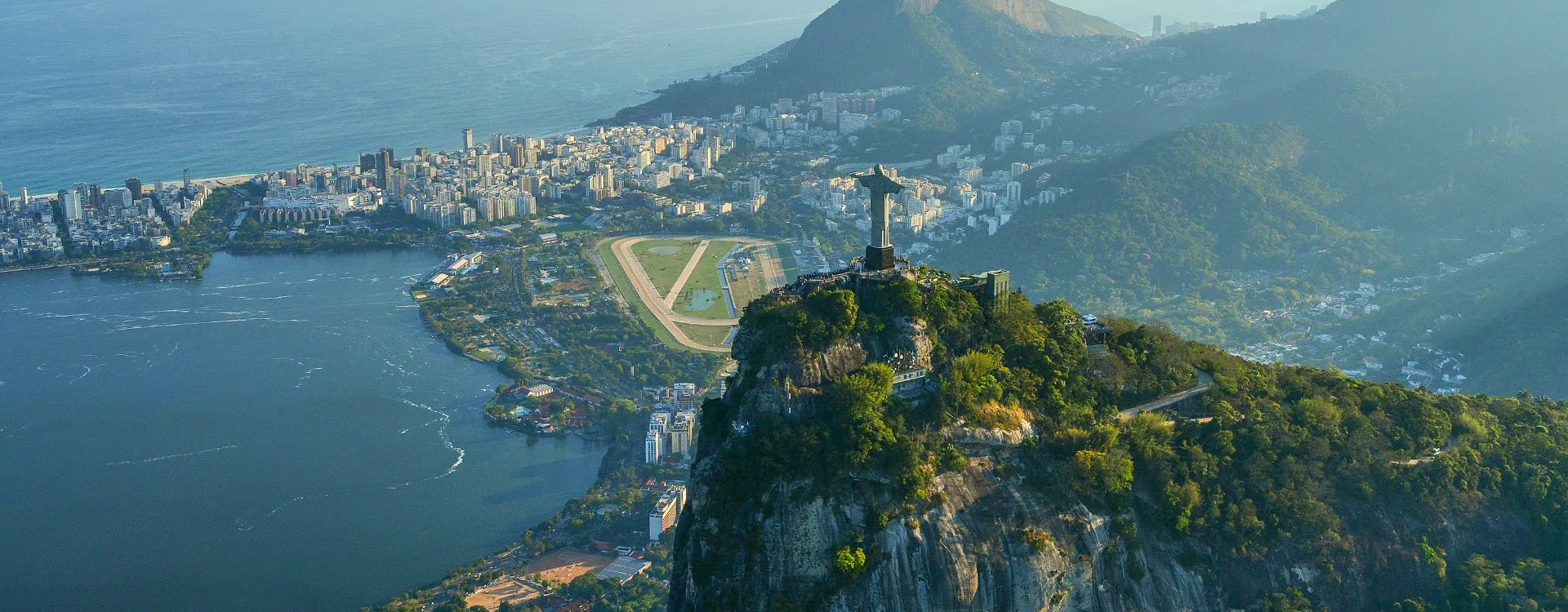
From Patagonia and the Galápagos to Antarctica and the Caribbean, Lightfoot Travel's Head of Americas & Polar Regions, Olie Lever, shares his insider advice on planning extraordinary journeys across Latin America and beyond.
Having travelled extensively across Latin America for more than two decades, Olie Lever specialises in designing tailormade journeys throughout South America, Central America, the Caribbean, Antarctica and the Polar regions. We sat down with him to discuss everything from wildlife and expedition cruising to food, family adventures and the destinations he's most excited about right now.
- 01. When did you first fall for Latin America and what keeps drawing you back?
- 02. What's the best first trip to Latin America?
- 03. What mistakes do people make when planning Latin America?
- 04. Which destinations work best together?
- 05. Latin America is extraordinary for wildlife. Where would you send different types of wildlife lovers?
- 06. How do you help clients choose the right Galápagos trip?
- 07. From epic hikes and wildlife tracking to estancia stays and luxury lodges, Patagonia offers so many different experiences. How do you approach planning a trip there?
- 08. The Amazon is one of the world's great off-grid adventures. How do you choose the right Amazon itinerary?
- 9. Antarctica is a huge bucket-list trip. What should people know before booking it?
- 10. Which journeys in Latin America feel genuinely transformative?
- 11. If someone wants adventure without "roughing it", where would you send them?
- 12. Which destinations in Latin America do you think are especially exciting for food lovers right now?
- 13. What are the most underrated luxury experiences in Latin America?
- 14. Which hotels or camps do you currently think are getting it exactly right?
- 15. How important are guides in Latin America?
- 16. What Latin American destinations work well for families, honeymooners and milestone celebrations?
- 17. Which destinations are best for travellers who’ve “done it all”?
- 18. Talk us through seasonality in Latin America
- 19. What are the top "out-of-this-world" landscapes in South America?
- 20. What are your favourite hiking routes?
- 21. Most unique experiences by destination across your specialist regions?
- 22. If you were designing the ultimate blow-the-budget journey, what would it include?
- 23. Finally, if you could set off tomorrow for three weeks, where would you go and why?

Growing up I was drawn to Latin America's culture, history, landscapes and language. Friends were keen to explore Australia and other common backpacking destinations but I wanted to explore somewhere that, to me, felt more adventurous and a bit less obvious.
I first travelled through South America as an 18 year old backpacker and was completely hooked. Living in New York has also made it very accessible over the years, so I've been lucky to return frequently on holidays and fact finding trips.
Twenty years later, it's still the sheer variety that keeps me hooked. You can spend one trip focused on wildlife and expedition cruising, another exploring food, wine and cities, and another hiking through Patagonia or travelling deep into the Amazon. There are very few parts of the world that offer that breadth of experience.
I also love that Latin America still feels authentic. Things don't always feel overly polished or manufactured, and there are plenty of moments that surprise you. The people are a huge part of it. Whether you're in Colombia, Peru, Chile or Argentina, there's a warmth and generosity in these cultures.
When did you first fall for Latin America and what keeps drawing you back?

What's the best first trip to Latin America?
There's never one answer because it depends entirely on the traveller.
Peru is often the best starting point because it combines history, culture, food, scenery and adventure. You can spend time in Lima, explore the Sacred Valley and Machu Picchu, and it all works very well as a single itinerary.
But Chile is another brilliant first trip. It's very easy to travel around, the infrastructure works well, and there's so much variety. You can combine Patagonia, the Atacama Desert and even Easter Island in one journey.

For families, Costa Rica is hard to beat. For wildlife lovers, the Galápagos is an incredible first experience because the wildlife is so accessible.
It’s important to avoid trying to do too much on any trip, especially the first time in the region. It’s an enormous continent and important to get the balance right and not try to squeeze in too much.
Many first time visitors to Latin America catch the bug once they're there. Many will speak with other travellers over a glass of wine at a hotel, hearing tales of visits to the likes of Brazil, Guatemala, the Galápagos or Patagonia, and suddenly they're already thinking about where they want to go next. It's one of those regions that gets under your skin.

The biggest mistake people make is trying to do too much. Latin America is enormous. The best trips usually focus on two or three key experiences rather than trying to see everything at once.
People look at a map and think destinations are closer together than they actually are. Internal travel can take time and you don't want every second day to become a travel day.
Altitude is another thing people often underestimate. In places like Peru and Bolivia it's important to ease into it rather than flying straight into Cusco and attempting a major hike the next morning.
Seasonality is also important. Patagonia, the Amazon, the Caribbean and Antarctica all work very differently depending on the time of year.
I also think people sometimes focus too heavily on ticking off the most famous sights rather than thinking about the overall rhythm of a trip. The journeys that work best tend to balance exploration with some down time to really take in the experiences during a trip.
What mistakes do people make when planning Latin America?

Which destinations work best together?
Chile and Argentina are a great combination. Fly into Buenos Aires, spend some time there, visit Iguazú Falls, then head down to Patagonia where you can cross between the two countries quite easily. It all flows really well.
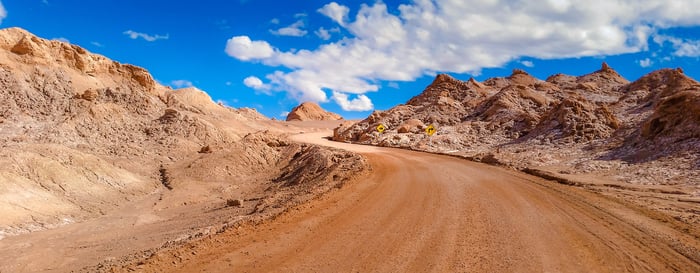
The Atacama and Antarctica is an epic and combination. The desert, salt flats, and high-altitude lagoons of Atacama are a stark contrast to the ice landscapes of Antarctica.
Peru and Bolivia also work brilliantly together. They are neighbouring countries, so it's an easy combination, and you have Peru's rich history and culture alongside the extraordinary landscapes of Bolivia, from Lake Titicaca to the Salar de Uyuni high in the Andes.
One of my favourite combinations is Peru and the Galápagos. You have the archaeology, culture and mountain scenery of Peru, then a complete change of pace with some of the best wildlife encounters anywhere in the world.

I also recommend combining Mexico with neighbouring Guatemala. Guatemala still flies under the radar for a lot of travellers, but it has so much to offer – Antigua, Lake Atitlán, Tikal, volcanoes and fantastic culture. It complements Mexico really well and adds another layer to the trip.

For accessible wildlife, it's hard to beat the Galápagos. The animals don't have much fear of people, which allows for some truly intimate and unique encounters. Snorkelling alongside sea lion pups is a real highlight.
For big cat enthusiasts, I'd send them to the Pantanal in Brazil. It offers the best jaguar viewing in Latin America, but also other species such as giant anteaters, giant river otters, anacondas, capybara, tapirs and hundreds of bird species.
The Amazon is completely different. Some species can actually be harder to spot due to the density of the rainforest, but you get thrill of the off-grid Amazon experience.

Hit the Torres del Paine to see condors and track puma, stalking their favourite prey, guanacos.
For marine life, Baja California is brilliant. You have whales, sea lions, mobula rays and some incredible opportunities to get out on the water. It's also a region I'm watching closely, with Amanvari set to open on the Sea of Cortez and Camp Cecil de la Bahía bringing its tented-camp concept to Magdalena Bay, one of the best places in the world to see grey whales and their calves.
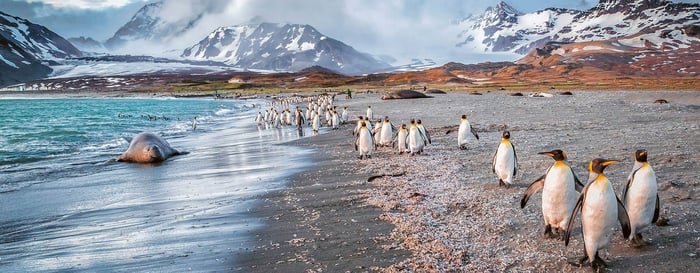
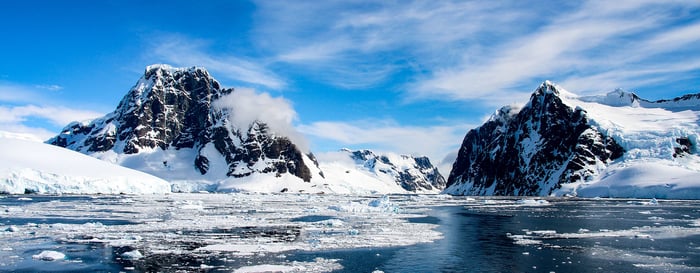
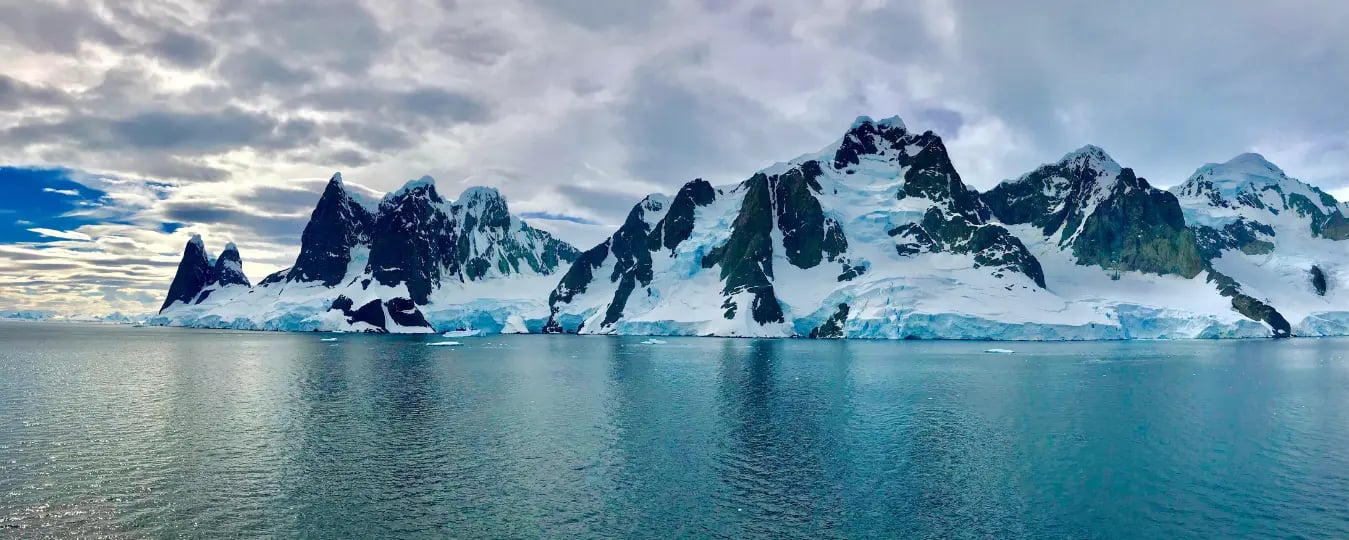
Then there's Antarctica and South Georgia. The wildlife spectacle is hard to comprehend until you see it for yourself. Antarctica is home to seven species of penguin; you’ll see the likes of Adelies & Gentoos on the peninsula, but it’s the scene of hundreds of thousands of king penguins and enormous elephant seals on the beaches of South Georgia that truly blows your mind. Whales, bird life and spectacular scenery makes Antarctica the ultimate destination.
Latin America is extraordinary for wildlife. Where would you send different types of wildlife lovers?

How do you help clients choose the right Galápagos trip?
For families or groups of friends, chartering a yacht is the best way to explore. I'm generally a big advocate for the smaller yachts carrying around 16 to 20 passengers. They feel much more personal, and you spend more time with your guides.
I particularly like Origin, Theory and Evolve or catamarans such as Elite and Endemic. They strike a really good balance between comfort, quality guiding and fantastic on board experience. Aqua Mare is fantastic for travellers wanting something more elevated and in the style of an Italian super yacht.
The route you take is important because different itineraries access different islands, wildlife and landing sites. Some are stronger for marine life, others for birdlife or more active exploration. Guiding is just as important. A brilliant naturalist guide with a fine knowledge of the wildlife and history of the islands will truly enhance the experience.
I usually encourage people to spend five to seven nights exploring the islands by yacht to get the best out of it. That's when you really start to settle into the rhythm of the Galápagos. For more information, you can read my guide to the best luxury yacht charters in the Galápagos.
Not everyone wants to be on a yacht the whole time, though. A lodge works well for those who are perhaps sea sick or happy to sleep on land and take day trips. There are a couple of great options where you can still have a fantastic wildlife experience, with day trips by boat. Pikaia Lodge and Galápagos Safari Camp are both excellent choices.

It's really a case of understanding how deeply my clients wish to explore it.
Some are looking for a three or four-night stay to get a taste of Patagonia, and that's still a fantastic experience. Others want to spend seven to ten days exploring both Chile and Argentina, staying at remote estancias, experiencing different landscapes and perhaps adding an expedition cruise as well.
Another important consideration is how adventurous a client wishes to be. Patagonia offers iconic treks and, for keen walkers, the Torres del Paine and El Chaltén remain classics for good reason. But it's by no means just for serious trekkers. You can spend your days horse riding, photographing wildlife and glaciers or simply taking shorter walks to spectacular viewpoints. Puma tracking has also become incredibly popular around Torres del Paine.
Choosing the right lodge is important too. Places like Tierra Patagonia, EOLO and Explora all make fantastic bases, with expert guides and a wide choice of exciting excursions each day, so you can make the experience as active or as relaxed as you like.
For clients with more time, I often suggest going beyond the classic highlights. Spend time self driving the epic Carrereta Austral, add in Tierra del Fuego or an expedition cruise through the fjords, which opens up a completely different side of Patagonia and gives you a much broader perspective on the region.
It's also a brilliant destination for families with older children and teenagers. There's plenty of adventure, but equally it suits travellers who simply want to soak up the landscapes. Most of the lodges are all-inclusive, so they really can cater to almost anyone.
From epic hikes and wildlife tracking to estancia stays and luxury lodges, Patagonia offers so many different experiences. How do you approach planning a trip there?

The Amazon is one of the world's great off-grid adventures. How do you choose the right Amazon itinerary?
The first thing is understanding what sort of experience a client is seeking.
A big part of it is making sure the wildlife experience matches people's expectations. Some clients are happy with a taste of the Amazon and staying somewhere closer to the main gateway towns. Others want to feel completely off-grid, and in those cases I'd always encourage them to travel a little further. It usually pays off in terms of both the wildlife and the overall experience.

Peru is often the easiest introduction. The infrastructure is strong and there are excellent options both on the river and on land. If you're looking for a cruise, Delfin is a fantastic example of how comfortable and immersive the experience can be. For a lodge stay, Posada Amazonas is one of my go-to recommendations for a fantastic all round Amazon experience.
Ecuador works well because it's relatively accessible from Quito. Sacha Lodge is one of the standout properties in the region. Another highlight is the Manatee expedition yacht, which sails to the remote Yasuni National Park.
Brazil is much bigger in scale. If somebody wants a deeper Amazon experience, I'd often encourage them to travel a little further away from the main gateways. Cristalino is one of my favourite lodges anywhere in the Amazon which actually combines very well with the Pantanal for a wildlife focused adventure.
The choice between a lodge and a cruise is important too. River boats allow you to cover more ground and access remote tributaries, while lodges offer a different pace and can feel more rooted in a particular ecosystem.
Water levels also completely change the experience. High water means provides access to the flooded forest, you’ll be closer to the tree tops and can explore remote tributaries by skiff. Low water season opens up beaches and the walking trails.
And then there are places like the Tapajós river, which many travellers haven't heard of. Jacques Cousteau famously described it as "the Caribbean of the Amazon". For people who think they've already seen the Amazon, it's a fascinating alternative and a great place to charter a classic Amazon boat for a few days.

The ship is probably the single most important decision you'll make. I'm generally a big advocate for the smaller expedition ships because the experience feels much more personal, and with fewer passengers, landings tend to be much more efficient.
The next consideration is the Drake Passage. Some people embrace it as part of the adventure, while others prefer the Fly & Cruise itineraries, flying 2 hours versus 2 days sailing each way.

If time and budget allow, I'd always encourage people to consider an itinerary that includes South Georgia. It's one of the most extraordinary wildlife destinations on earth, with its vast colonies of king penguin, elephant seals and many species of seabirds.
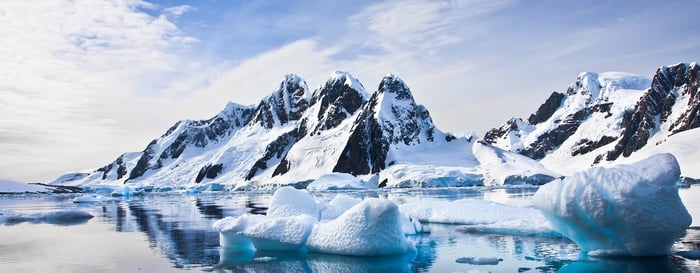
Seasonality matters too. Early departures bring pristine snow and dramatic ice formations, while later in the season you're more likely to encounter whales.
The other piece of advice I'd give is to book as early as you can. The best expedition ships and cabins sell out well in advance, and booking early not only gives you the widest choice but can also unlock some very attractive early booking offers.
Antarctica is a huge bucket-list trip. What should people know before booking it?

Which journeys in Latin America feel genuinely transformative?
I think they all can be, in different ways. Even for those who follow one of the classic routes often come back saying it's one of the best trips they've ever done.
I find it's usually the slower, more immersive journeys that people love.
The Salkantay Trek is a great example. It's a wonderful alternative to the busier Inca Trail, leading you through mountain passes, cloud forest, lagoons and lush valleys before reaching Machu Picchu. It feels much more remote and there are far fewer trekkers.
The Amazon can have a similar effect because it disconnects you from everyday life so completely. It's one of those places we've all read about since we were kids, and there's something quite special about finally experiencing it.
Patagonia is another. People are often blown away by the sheer scale of the landscapes in the likes of the Torres del Paine.
Then there are places like the Atacama Desert and Bolivia's Salar de Uyuni. Combined, they take you through some of the most remote and otherworldly landscapes in South America. Perhaps glamp in Panama’s San Blas islands with the Kuna Indian.

Awasi is probably my first suggestion, particularly their multi-destination offering. You can combine places like Patagonia, Atacama and Iguazú, with everything tailored around you. You have your own private guide and vehicle at each destination, so the experience feels completely personal.
For Patagonia, though, Tierra Patagonia is probably my favourite. You're surrounded by some of the most spectacular scenery on earth, but at the end of the day you're returning to a beautiful lodge with excellent food, a spa and huge windows looking out over the mountains.
Explora has always been excellent at combining genuine adventure with comfort. Whether you're exploring Patagonia, Atacama or staying at Explora Rapa Nui on Easter Island, you can spend the day discovering somewhere extraordinary and return somewhere very comfortable each evening.
In the Amazon, Delfin is a great example of how you can be completely immersed in the rainforest without compromising on comfort. In Panama, Islas Secas offers a similarly remote feel with a very different setting.
For wildlife lovers, Caiman in the Pantanal is another standout. It's one of the best places in South America to see jaguars, but with the comfort and guiding you'd expect from a top-end lodge.
Luxury expedition cruising has evolved enormously too. Antarctica and the Galápagos are obvious examples where you can access some of the world's most remote places without sacrificing comfort.
If someone wants adventure without "roughing it", where would you send them?

Which destinations in Latin America do you think are especially exciting for food lovers right now?
Peru is one of the most exciting food destinations in the world. Lima deserves all the attention it gets, but some of my favourite experiences happen away from the big-name restaurants.
One experience I recommend is spending time in Barranco with a chef called Penelope, exploring the local markets, cooking together and getting a much more personal insight into Peruvian food culture.
The Sacred Valley is very interesting as well. Restaurants like MIL, overlooking the terraces of Moray, are doing fascinating things with indigenous ingredients and traditional farming techniques.
Argentina does food and wine exceptionally well, particularly if you're combining Buenos Aires with Mendoza.

Mexico City is another obvious answer. The quality and variety of food there is extraordinary, and combined with the unique food culture of Oaxaca, is fantastic too. Colombia is another destination I'd recommend to food lovers, with some excellent restaurants in Bogotá and Cartagena.
Bolivia is another one to watch. A new generation of chefs is reviving indigenous ingredients like amaranth, aji and wild tubers, putting a fresh spin on traditional Andean cuisine.
Then there are places like José Ignacio in Uruguay, where the food and wine scene feels much more relaxed and understated, but no less impressive. Beyond the coast, you'll find excellent wineries and olive estates. It's a destination I often recommend to well-travelled clients looking for something a little more under the radar.
One of the things I love about Latin America is that food still feels deeply connected to the culture. You're not just eating well, you're learning something about where you are.

Uruguay really hits the mark. People often focus on Argentina or Brazil and overlook Uruguay entirely, but places like José Ignacio offer a much more understated style of luxury.
Panama is another cool one. It's somewhere a bit different, and particularly if you're staying at Islas Secas, it offers a wonderfully off-grid kind of luxury experience or hit the San Blas islands for its culture
Guatemala is somewhere I'm recommending more and more. Between Antigua, Lake Atitlán, volcanoes and the ancient ruins of Tikal, it has an incredible mix of culture, landscapes and history, yet it still receives a fraction of the visitors of some neighbouring countries. Casa Palopó, overlooking Lake Atitlán, is one of my favourite places to stay.
Bolivia can be extraordinary too. I wouldn't necessarily go there for the luxury hotels, it’s very much an experiential destination for stargazing, landscapes and lagoons teeming with flamingoes. From the Salar de Uyuni to the high Andes, it's one of the most rewarding countries in South America for travellers looking for something a little more adventurous.
Colombia is another destination that still surprises people. It combines vibrant cities, beautiful landscapes and an increasingly sophisticated hotel scene, yet remains relatively under the radar compared to many of its neighbours.
What are the most underrated luxury experiences in Latin America?

Which hotels or camps do you currently think are getting it exactly right?
The places that really get it right are the ones that understand their surroundings.
EOLO in Argentine Patagonia is a great example. The setting is incredible, and it feels completely connected to the landscape.
Awasi consistently gets the personalisation right – the South American equivalent of a high‑end safari – while Puqio in Peru is doing something really interesting, combining a luxury tented camp with immersive cultural experiences in the Colca Valley.

I'm also excited by Camp Cecil de la Bahía in Baja California, Mexico. It's a very different style of experience, but the focus on wildlife and sense of off-grid adventure is what clients are looking for.
In the Amazon, Delfin remains one of my favourite experiences, while Aqua has also raised the bar for luxury river cruising.
The common thread is usually great guiding, strong local knowledge and an understanding of what makes the destination special.

They're absolutely crucial.
Knowledge is important, of course, but for me it's personality that really makes the difference. The very best guides are the ones who can read their clients, understand what interests them and adapt the experience accordingly. Whether somebody is travelling as a family, is fascinated by history or simply wants to spend as much time as possible looking for wildlife, a great guide knows how to tailor the day.
That applies across Latin America. In Peru, an archaeologist or historian can bring places like Machu Picchu to life in a completely different way. In the Galápagos, your naturalist guide shapes the whole experience. In Patagonia, trackers and mountain guides help you see the landscape through different eyes. And in the Amazon, your guide often determines what you see, hear and understand about the rainforest.
That's what people remember. A great guide doesn't just tell you facts – they help you connect with a place.
How important are guides in Latin America?

What Latin American destinations work well for families, honeymooners and milestone celebrations?
Costa Rica is one of the best family destinations in the region. There's wildlife everywhere, activities are accessible, and the logistics are relatively straightforward. The Galápagos is fantastic for older children and teenagers because it feels like a real adventure.
Peru works very well for curious teenagers who enjoy history and culture. Patagonia is excellent for active families. I also think haciendas and estancias are a fun idea for families. Kids love the freedom, horse riding, and outdoor space.
For honeymoons, I often look at combinations that balance adventure and relaxation. Brazil is a great example. You can combine Rio and a stay at Fasano Rio, then head north to Bahia and somewhere like Uxua in Trancoso. It's a combination of beaches, culture, food and scenery that's hard to beat.
The Caribbean is, of course, fantastic for honeymoons too. My top suggestions include Hermitage Bay in Antigua, GoldenEye in Jamaica, Bequia Beach Hotel in St Vincent & the Grenadines, Silversands in Grenada, COMO Parrot Cay in Turks & Caicos and Secret Bay in Dominica.
In Mexico, One&Only Mandarina pairs beautifully with a few nights at Casa Polanco in Mexico City, while Islas Secas in Panama is one of my favourite romantic escapes because it feels genuinely private.
The Galápagos is another brilliant option for couples who want adventure alongside luxury. For milestone celebrations, chartering a private yacht is hard to beat. It gives you complete flexibility, total privacy and a really special way to experience the islands.

Bolivia is high on the list. It has so much to offer, yet it still feels relatively undiscovered compared to Peru or Patagonia. La Paz is undergoing a culinary renaissance, with a new generation of chefs redefining modern Andean cuisine.
Guatemala belongs on that list as well.
Tapajós in Brazil is another fascinating option and still largely unknown internationally.
Chile’s Easter Island is one of the most remote and intriguing places anywhere in the region. Head to the Carretera Austral for rafting, fly fishing, remote lodges, glaciers and some of the most impressive self-driving anywhere.
South Georgia is great for experienced expedition travellers. The wildlife, the history and the sheer remoteness make it one of the most memorable places you’ll ever encounter.
Which destinations are best for travellers who’ve “done it all”?

Talk us through seasonality in Latin America
Seasonality is one of the most important parts of planning a successful Latin America trip.
Patagonia is at its best from October through April.
The Amazon changes enormously depending on water levels. High-water and low-water seasons offer completely different experiences.
The Galápagos is one of the few destinations that works well year-round, but if wildlife is your priority, I often recommend travelling between November and June. The weather is warmer, and it's a particularly active time for courtship, nesting and breeding, so there's always something fascinating to see.
Peru’s dry season is a must from April to November whilst Bolivia’s flooded season December to April offers the stunning mirror effect.
Antarctica can only be reached November to March, with Early departures offering pristine snow and dramatic ice formations, while later departures tend to offer more whale activity.
The key is understanding what experience you're hoping to have and then building the trip around the best time to travel.

The Salar de Uyuni in Bolivia has to be up there. It genuinely feels like another planet. If you visit during the flooded season, the entire landscape becomes a giant mirror.
The Atacama Desert in Chile is another favourite. The colours, the scale and the quality of the light make it feel out of this world.
I'm also a big fan of north-west Argentina, which often gets overlooked. The landscapes there are spectacular and completely different from what many people imagine when they think of South America.
Patagonia still stops me in my tracks every time I visit. The Torres del Paine is my favourite Moreno Glacier and the fjords of Tierra del Fuego all feel incredibly dramatic.
Then there is the Lençóis Maranhenses in Brazil, where vast white sand dunes are dotted with crystal-clear lagoons.
What are the top "out-of-this-world" landscapes in South America?

What are your favourite hiking routes?
The Salkantay Trek in Peru is still one of my favourites. It's a good alternative to the traditional Inca Trail because you move through such a huge variety of landscapes before eventually arriving at Machu Picchu.
I also love the Base of the Towers and French Valley trails in the Torres del Paine National Park in Chile. The scenery is spectacular throughout and
The Laguna las Tres trail in El Chaltén in Argentine Patagonia, is one of many fantastic hikes in this region, particularly suited for travellers who enjoy slightly less structured exploration.
For something gentler, the Sacred Valley in Peru has some nice walks that combine scenery, culture and history.

Watching waved albatross take flight and Snorkelling with sea lion pups in the Galápagos is another. They're incredibly playful and curious, and it's one of the most memorable wildlife encounters anywhere.
Horse riding across the plains whilst staying at an estancia in Argentina's Lake District.
Tracking pumas in Torres del Paine alongside expert trackers and wildlife guides is another extraordinary experience.

And then there are simple moments, like watching the sun set over Rio from Sugarloaf Mountain. Granted not a unique idea but iconic – and it’s got to be done!
Most unique experiences by destination across your specialist regions?

If you were designing the ultimate blow-the-budget journey, what would it include?
At the very top end, it's less about a particular destination and more about the level of access you can create.
You could charter an expedition yacht in Antarctica, for example. Having an entire vessel dedicated to your family or group in one of the most remote places on earth would be hard to top.
I'd also look at private yacht charters in the Galápagos, exclusive-use villas on Brazil's Bahian coast and properties such as Awasi, where every aspect of the trip is tailored around the individual traveller, with private guides, private vehicles and completely bespoke daily experiences.
The most extraordinary journeys are the ones where there are virtually no constraints – private aircraft, private yachts, exclusive-use properties and access to places that would otherwise be difficult to reach.
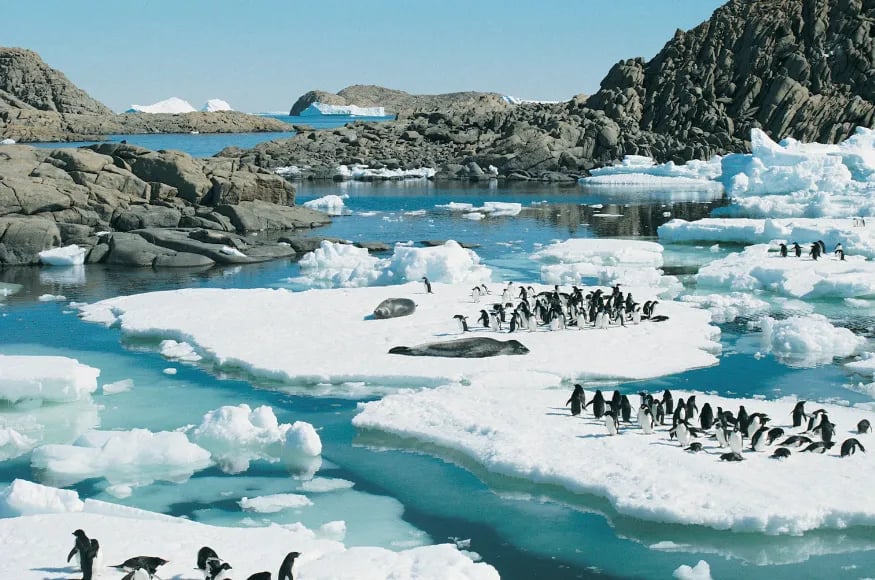
I would head back to Antarctica in a heartbeat aboard a ship like Sea Spirit, but tag on the Falkland Islands and South Georgia. I've travelled extensively through the region, but every journey is incredibly exciting.
However, if I were travelling with my family tomorrow, I'd choose southern Chile.
I'd start in Torres del Paine, spend time at Tierra Patagonia, then hop north to rent a 4x4 and drive along the Carretera Austral.

It's one of the great road trips of the world. Glaciers, forests, huge open landscapes and very few people.
I'd stop at Patagonia National Park, spend some time exploring the region around Explora's lodge there, then continue north towards Puerto Varas.
It's a journey that combines adventure, incredible scenery and a real sense of freedom.
Put a face to the name and take a moment to meet Olie Lever, the specialist behind these recommendations, in his hometown of New York.
Finally, if you could set off tomorrow for three weeks, where would you go and why?
Whether it's your first trip to Latin America or your fifth, our Latin America specialists will design a journey tailored to your pace, interests and travel style. Enquire now to start planning.
Let us plan your
bespoke adventure
Lightfoot Travel creates tailormade itineraries throughout South America and the Polar Regions. Get in touch to plan you bespoke adventure.
Enquire Now