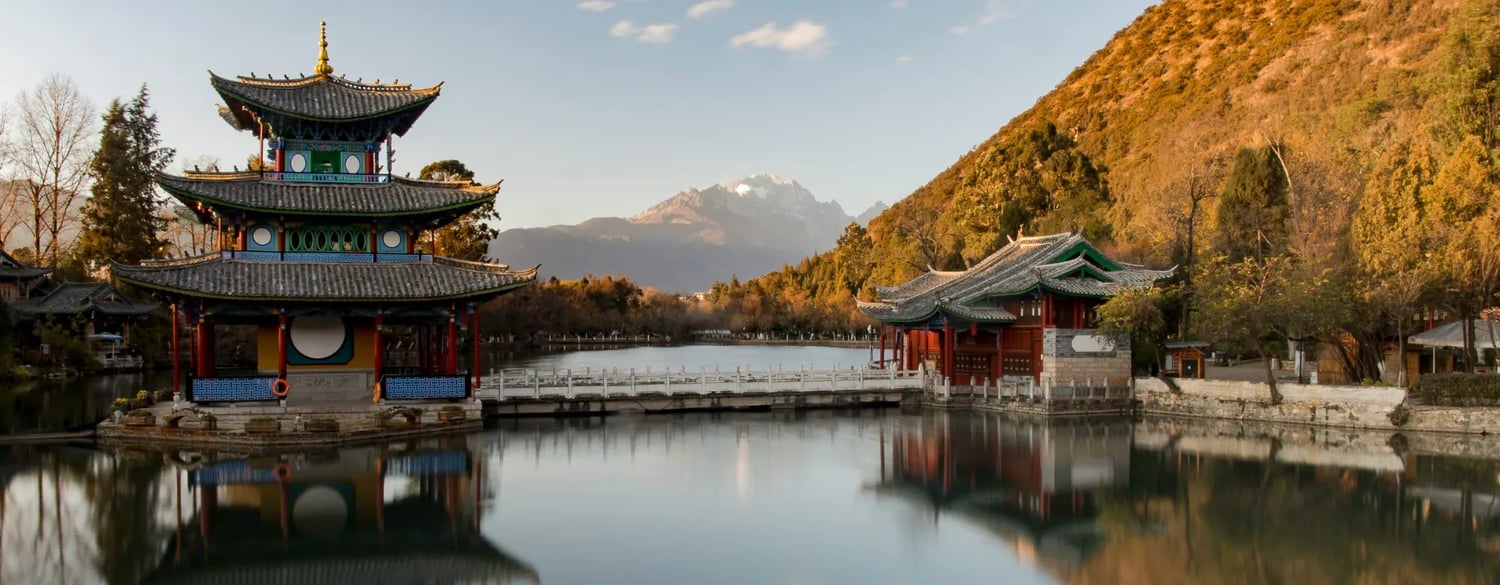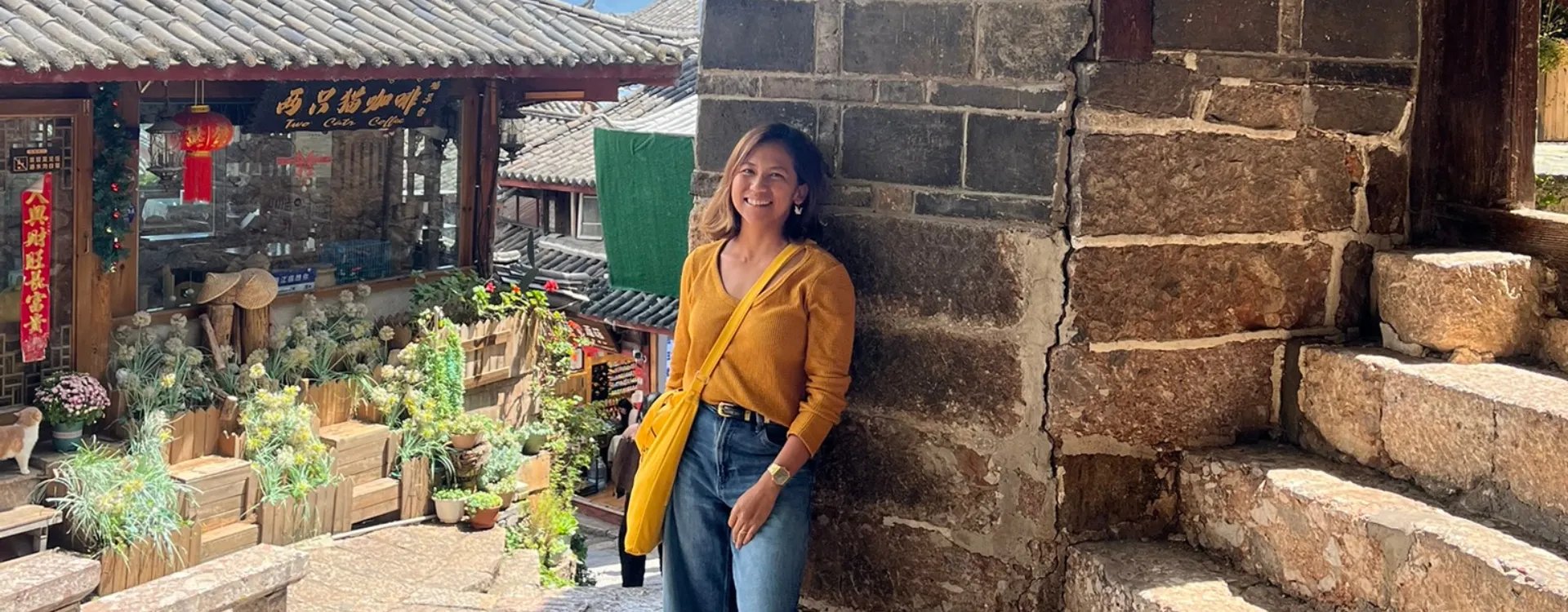
From foraged mushrooms to heritage hot pots, Diana heads off the beaten track to explore Yunnan’s authentic flavours, one dish at a time.
When most people picture China, they imagine the Great Wall, the Terracotta Army, or the bright lights of Shanghai. But there’s a quieter, more grounded side to the country – one that reveals itself in the slow rhythm of ancient towns, the crisp mountain air, and dishes passed down through generations. That’s exactly what Diana, Senior Sales Consultant at Lightfoot Travel, discovered on her recent journey through Yunnan: a province rich in culture, colour, and cuisine.

The trip began in Dali, where Diana was immediately struck by the vibrancy of the markets. "I’m Asian, and I’ve travelled extensively around Southeast Asia," she said, "and yet I was still able to encounter and taste fruits and vegetables I’d never seen or eaten before." For Diana, the market captured the town’s spirit more than anywhere else. Locals lined up at food stalls selling everything from generations-old rice noodle recipes to chicken feet that had at least 10 different choices of flavour to choose from. "Not for everyone," she laughed, "but it was a highlight for me, and we were lucky to be able to try it before it sold out.”
After indulging in all the food, she stopped by a local coffee shop run by a passionate barista, where she sampled freshly roasted beans grown right in Yunnan. The Tea Horse Road may be steeped in history, but Yunnan’s growing coffee culture is the new story taking shape.
There was also time to cycle around Erhai Lake, with its serene, mirror-like waters offering a calming counterpoint to the buzz of the market.
The Markets of Dali: A Feast for the Senses

Xizhou: Ancient Towns and Edible Roses
Just half an hour from Dali, Xizhou offered a completely different energy. Known for its traditional Bai architecture and heritage courtyard houses, this village comes alive at night. Diana visited the original home of the Linden Centre, and saw firsthand how heritage buildings can be reimagined as intimate boutique stays.
A culinary highlight here was Xizhou baba – a savoury pastry filled with cured pork. "It reminded me of a pizza with a fluffy dough. It is definitely one of the best things I’ve eaten on this trip," she said. Even more immersive was a visit to a working rose farm, where she made rose cakes and tasted everything from rose jam to rose tea. "I loved it, but by the end, I couldn’t eat any more rose!" she confessed.
The tie-dye workshop with a local Bai minority group was another memorable stop. "It was so eye‑opening. After we tied, dipped the fabric in Indigo, rinsed and dried, it was ready – soft, natural, and completely free of any chemical smell. It felt wonderful to support something so traditional.”

Shaxi was Diana’s favourite stop on the journey. Smaller and more serene than Dali or Lijiang, this ancient town once sat on the old Tea and Horse Road. "It just felt so magical, and you really get a sense of what it was like in ancient times," she said. "Especially in the evening, when the stream that runs through the village reflects the moonlight, the lanterns light up, and the town begins to settle for the night. The morning was even more serene, before the day-trippers arrive to visit the town."
The village’s history of female-led households was particularly interesting: while men joined the trade caravans, often away for months at a time, the women kept the town running. Diana loved walking its cobbled streets, visiting handmade crafts shops, and stopping in at tea houses run by local families.
It was also wild mushroom season, and she recounted a memorable dinner at a local restaurant with direct links to trusted foragers. "They kept a sample of our soup in case anyone got sick… so it was a high-stakes dinner!" she said. "And that mushroom hot pot was sensational: simple, honest, and so local – rivalling any elaborate tasting menu."
Diana also sampled pork-stuffed lima beans, cured meats, foraged tree moss with eggs, and lemongrass-rubbed ribs – each one distinctive to the season and deeply connected to the land around Shaxi.
Shaxi: History, Serenity, and Mushroom Hot Pot

Tiger Leaping Gorge: Nature at Full Force
From Shaxi, Diana travelled to Tiger Leaping Gorge. The journey itself, driving along the cliffs, was not for the faint-hearted. But the reward? An unforgettable boutique stay overlooking the gorge. "From my villa, I had a view of the gorge and the glaciated mountains. It was stunning."
She hiked a scenic section of the trail, and stopped at a viewing platform where the Yangtze River roared below. "You really feel the power of nature here."

The final stop was Lijiang, home to a well-known old town with cobbled lanes and hillside views. Though more bustling than the other ancient towns she visited, Lijiang still had its charms.
"When you look down over all the sloping rooftops, it’s so beautiful," Diana said. "As you walk through the winding alleys, you are greeted with unique shops, cafés, restaurants – and plenty of snacks to sample along the way. It’s definitely one of those places where you can lose yourself for hours, just exploring."
She spent her time visiting the markets, taking part in a Naxi minority cooking class, and, of course, eating. Meals here included Naxi hot pot with cured pork ribs grilled on a hot stone slab, along with roast pork belly with mint, fried eggplant, and spicy fish.
"At this point, I was worried I’d get tired of Yunnan cuisine, but we kept eating and were constantly surprised by how unique and delicious each meal was."
Lijiang: Ending on a High

Final Thoughts on Yunnan
"This experience is ideal for travellers seeking an authentic culinary adventure," Diana reflected. "It’s a rare privilege to savour dishes that carry the flavours and stories of generations. Many of the restaurants I visited were either the birthplace of iconic dishes or family kitchens preserving age‑old traditions."
"Yunnan is perfect for those who’ve already explored China’s major cities and want to experience a more grounded, authentic side of the country. From heritage boutique hotels and immersive cultural encounters to meals that reflect the region’s layered history, it offers something genuinely special – and it’s easily my favourite province in China. It’s not about ultra-luxury. It’s about culture, stunning scenery, connection, and incredible food."
For those looking to explore China beyond the usual stops, Yunnan might just be the most delicious place to start.
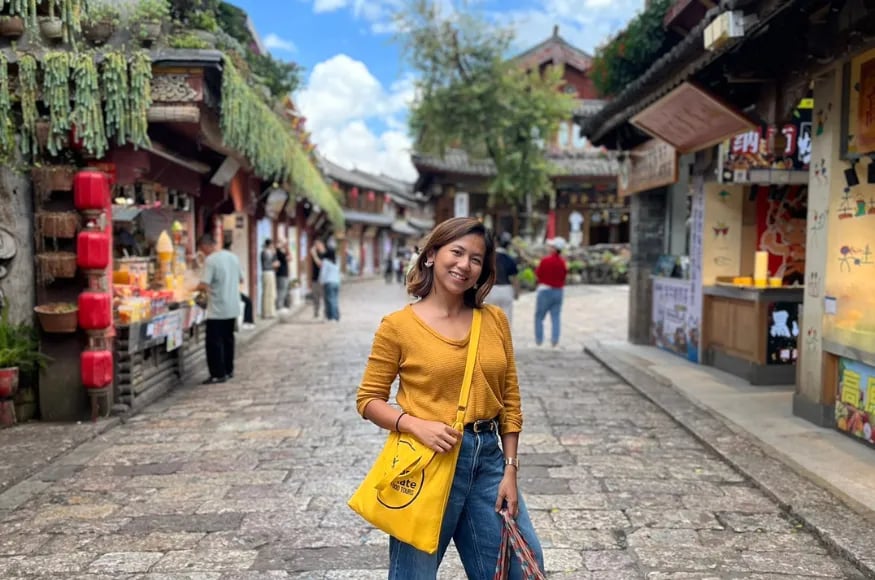
Best time to go to Yunnan – Late spring (April - May) and early autumn (September–October) are ideal for food-focused travel in Yunnan. These seasons bring pleasant weather, fewer crowds, and peak seasonal produce – especially wild mushrooms during autumn.
Diana’s Yunnan itinerary at a glance – this route follows the ancient Tea and Horse Road, blending flavour, culture, and slow travel:
→ 2 nights Dali: For street food tours, market tastings, Yunnan coffee tasting and local dishes like rice noodles and Dai-style platters.
→ 1 night Xizhou: For rose cake making, Bai architecture, and Xizhou baba (a pork-filled village bread) hot from the oven.
→ 2 nights Shaxi: For foraged mountain food, pork-stuffed lima beans, tree moss with eggs, and serene countryside walks.
→ 1 night Tiger Leaping Gorge: For hiking (and/or relaxing) in one of the world’s deepest canyons, with a boutique stay overlooking the Yangtze.
→ 2 nights Lijiang: For morning markets, a Naxi cooking class, and meals of hot stone-grilled ribs, mint pork belly, and more.
Yunnan travel tip: Yunnan’s terrain varies dramatically, from subtropical lowlands to high altitude plateaux and snow capped peaks – and most of the highland towns Diana visited sit between 2,000 and 2,500 metres above sea level. We recommend allowing time to acclimatise – especially before any hiking. A buffer day or slower pacing helps ensure you enjoy the meals (and the views) to the fullest.
Practical Details for Your Yunnan Itinerary
Interested in a tailormade trip to Yunnan? Speak to our experts about combining this culinary route through Yunnan with China’s iconic highlights – or continuing on to the Tibetan Plateau for even deeper discovery.
Photography credits: Diana's own
Let us plan your
bespoke adventure
Lightfoot Travel organises tailormade holidays throughout China. Contact one of our expert travel consultants today to start planning.
Enquire Now